Music
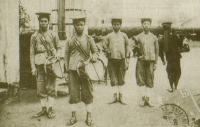
Western music was introduced into Laos during the French colonial period, and from the 1920s light music was performed widely by local artists in the dance halls, clubs and restaurants of the administrative capital Vientiane, stimulating the composition of home-grown popular ballads in the French style.
One of the most prolific composers of this period was Dr Thongdy Sounthonevichit (1905-1968), who wrote the popular songs Lao Houam Samphan (‘Joining Together the Lao People’), Teuan Chay Lao (‘Thoughts of the Lao Heart’), Lao Houam Vong (‘Unifying the Lao People’), Douang Rati (‘Rati Flower’), Yam Leng Thi Vientiane (‘Vientiane in the Evening’) and Douang Nhitho (‘Nhitho Flower’). In 1941 Dr Thongdy wrote the music to Pheng Xat Lao, which was adopted in 1947 as the Lao National Anthem. The version performed today uses words by Sisana Sisane.
Other important popular composers of the late colonial era included Outama Choulamani (
Champa Muang Lao, ‘Frangipani of Laos’,
Xao Noum, ‘Lao Youth’,
Louk Seua Lao, ‘Lao Scout’,
Deuane Ngam Nham Nao, ‘Moon in Winter’,
Ded Dok Hak, ‘Win Your Heart’,
Nay Ta Bok, ‘Written in Your Eyes’) and Bounthamali Bounsouay (
Sai Lom Yenh, ‘Blowing Wind’,
Koulab Pakse, ‘Pakse Rose’).
Following the introduction of western-style voice and instrumental training (piano/keyboard, violin, accordion, trombone, trumpet, saxophone, clarinet, flute, guitar, bass, drums) at the new National School of Music and Dance in 1959, a new generation of Lao composers began to emerge.
Foremost amongst these were Bounkhong Pradichit (
Kila, Kila, ‘Sport, Sport’), Soukanh Vilaysane (
Chanh Lap, ‘Sleeping Moon’), Phoui Siharath (
Hak Bor Somvang, ‘Disappointed Love’), Nang Kongmi (
Dok Lila, ‘Lila Flower’) and Kham Ouane Rathannavong (
Nhouwaxon, ‘Boy Pioneer’,
Nyouwanari, ‘Girl Pioneer’,
Champamay, ‘New Frangipani’).
Other important composers of this period included Chanh Som (Sor Sengsirivanh), Phomma Somsoutthi, Sanong Ounvong, Somlit Ouanesawatdi, Phomma Phimmasone, Sourivat Rattanasawan, Khamla Phetdara, Viliam Dittavong, Voradeth Dittavong and singer-songwriters Khamla Nokeo and Prixa Tichanh (Por Tichanh).

Popular singers of the 1960s and early 1970s included Khamteum Sanoubane, Malivanh Voravong, Chansamone Sinbandith, Somboune Laokhamthong, Chanhom Frichittavong, Soumountha Sirimanotham, Phomma Phimmasone, Chanthala Outhenesakda, Bounthong Vongsali, Nit Vichittavong, Bounthieng Manivong, Phone Theph, Khamphou Thavivanh, Bangvone, Malichansouk, Somfong, Thantawan, Kor Viseth and the afore-mentioned singer-songwriters Khamla Norkeo and Por Tichanh. Kor Viseth later moved to Xieng Khouang Province, where he entertained revolutionary forces at the front.
Since 1975 patriotic anthems and revolutionary songs have dominated the country’s musical output, but romantic and sentimental ballads have remained universally popular.

Leading songwriters of the past 30 years include Sisana Sisane (
Phengsat Lao,
Dane Haeng Issara, ‘Land of Freedom’,
Pathet Xat, ‘Nation Country’,
Thang Lek Kao, ‘Road Number 9’,
Ban Lob Nam Bak, ‘Battle at Nam Bak’, and
Hak Muang Lao, ‘I Love Laos’); Paseuth Sisanone (
Ladou Ban Mai, ‘Welcome to the New Season’,
Sivit Mai, ‘New Life’, and
Xom Xeui Kong Pong Kan A Kad, ‘Congratulate the Anti-Aircraft Gunner’); Souban Souvannavong (
Yen Sabai Xao Na, 'Farmers Enjoy Farming',
Dao Lorm Deuan, 'Stars Around the Moon',
Phob Kannai Santiphab, 'Meet You in Peace', and
Phao Lao Euy, 'Lao Ethnic Groups'); Sorsi Muangxong (
Kab Kheun Muang Xieng, ‘Return to Xieng Khouang’,
Pa Mai Xot Xung, ‘New Forest’, and
Pob Kan Thi Ang Nam Houm, ‘Meet You at Nam Houm Reservoir’); Ounkham Bandasack (
Sabai Di Luang Prabang, ‘How Are You, Luang Prabang?’); Bouangeune Saphouvong (
Boun Kun Pak, ‘Grateful to the Party’,
Ai Liangchai Di, ‘A Generous Cook’,
San Laseun Pak, ‘Praise the Party’ and
Nok Santiphab, ‘A Peaceful Bird’); Deth Chanthala (
Ai Sang Seng, ‘Engineering Soldier’,
Sieng Khap Kheam Kong, ‘The Sound of Khap on the Mekong Riverbank’ and
Houan Kheun Takhek, ‘Return to Takhek’); Douangmixay Likayya (
Mouan Xun Kin Chieng, ‘Enjoying Hmong New Year’,
Sanlaxeuan Phounam, ‘Praise Our Leaders’); Sayyasinh Sikothchounlamany (
Nam Ma, ‘Ma River’, Sao
Xieng Khouang, ‘Xieng Khouang Girl’); Santi Phimsouvanh (
Keun Tap Long Thong Phieng, ‘Move the Army to the Plain’,
Hoi Yim, ‘Your Smiles’); Bounpasong Saysekhamanh (
Yeuan Yam Khem Kong, ‘Guarding the Mekong Riverbank’,
Houan Keun Adith, ‘Turn Back to the Past’,
Hà Nội Viengchan, ‘Hà Nội Vientiane’); Bouathong Phounsalith (
Xong Phone Phimai, ‘Happy New Year’,
Kit Hot Samneua, ‘Miss Samneua’,
Sieng Phleng Bontong Nga, ‘The Sound of Singing in the Rice Fields’); and Phoxay Phommakaysone (
Ngam Tae Phongsali, ‘Beautiful Phongsali’,
Ngam Oudomxai, ‘Beautiful Oudomxai’)

Leading popular singers of recent years include Bouangeune Saphouvong, Vilayvanh Bounnapole, Saysavath Singnamvong, Chansamay Phayasith, Thongyoth Nantalangsi, Phouvieng Watthavisack, Malavanh Douangphoumi, Vanny Lattanavong and Bouaphan Likayya.
In 1995-6 leading architect Dr Hongkad Souvannavong (see also
Modern and contemporary Lao architecture 1953-present) released three CDs of traditional Lao music performed in modern style on piano, drums and bass. In recent years Dr Hongkad has released five more collections – three featuring Lao romantic songs performed on piano and saxophone and the other two featuring his own compositions performed on piano and acoustic guitar.

Chamber and orchestral music has yet to develop in Laos, but new ground was broken in 1988 when the afore-mentioned composer Duangmixay Likayya wrote an orchestral score for the 1988 feature film
Bouadeng (‘Red Lotus’). Since that time Duangmixay has composed various chamber music pieces and has had his work performed by the Việt Nam Symphony Orchestra (VNSO).
In recent years Santi Phimsouvanh has also begun to compose chamber music.

Home-grown popular music has developed exponentially since 2000, when Lao Art Media pioneered the production of home-grown music for youth audiences by artists such as the singing duo Alexandra Bounxoui and Pan. Since that time, with the liberalisation of music regulations by the government, other companies such as Valentine Music, Indee Records, Mega Studio and SD Studio have also jumped at the opportunity to promote local teen-oriented singers. Since that time there has been a veritable explosion of local pop talent; it is now common to hear local artistes on Lao radio alongside foreign stars, and music produced by local companies is also beginning to find an audience throughout north east Thailand. Leading mainstream pop singers include Noi Sengsourigna, Noy Damnin, Puan and Ting and the singing groups Y Power and A Pack. Rock bands popular with the younger generation include The Cell, Smile Black Dog, Dao Kha Chai, Awake, Khem Tid, Eighteen and Black Burn.


